
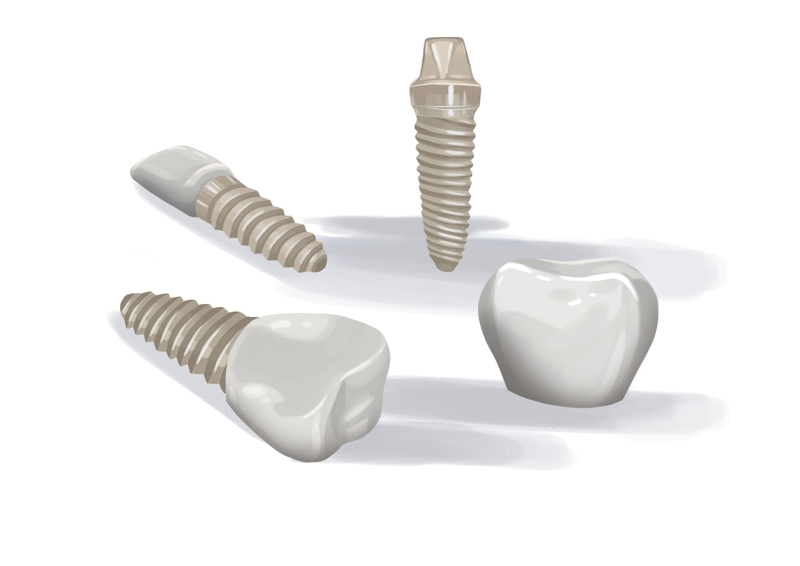
What are Biomimetic Materials?
Biomimetic materials are materials that mimic the properties
and structures found in nature. These materials are designed to replicate the
efficiency, strength, and adaptability of natural substances. By studying the
intricate design of biological materials, scientists and engineers can develop
novel materials that possess superior properties compared to conventional
synthetic materials.
Examples of Biomimetic Materials
1. Lotus-Effect Coatings
Inspired by the self-cleaning properties of lotus leaves, scientists have developed coatings that repel water and dirt. The lotus leaf's surface is covered in microscopic bumps that trap air pockets, making it extremely hydrophobic. By replicating this structure and applying it to surfaces, lotus-effect coatings have been created. These coatings have applications in self-cleaning windows, textiles, and even graffiti-resistant surfaces.

2. Gecko-Inspired Adhesives
Geckos are known for their incredible ability to climb vertical surfaces and even hang from ceilings. Their remarkable climbing prowess is due to the microscopic hairs on their feet, known as setae. These setae create strong adhesive forces, allowing geckos to stick to surfaces without the need for any glue. Scientists have developed gecko-inspired adhesives that mimic the structure and function of these setae. These adhesives have potential applications in robotics, medical devices, and even space exploration.

3. Bioinspired Fibers
Spider silk is known for its remarkable strength and flexibility, surpassing most synthetic fibers. Scientists have been studying the molecular structure of spider silk to replicate its properties in bioinspired fibers. These fibers have the potential to revolutionize the textile industry, creating lightweight and durable materials for various applications, including bulletproof vests and high-performance sports equipment.

4. Shark-Skin Coatings
Sharks have a unique skin texture that reduces drag as they swim through water. This texture consists of tiny scales called dermal denticles, which create a turbulent flow that reduces friction. Inspired by this natural design, scientists have developed shark-skin coatings that can be applied to the surface of boats, reducing drag and improving fuel efficiency.


0 Comments