

Why Soft Robotics?
Soft robotics offers a range of advantages over traditional
rigid robots. Here are some reasons why soft robotics is gaining popularity:
Versatility:
Soft robots can adapt to different environments
and perform tasks that are challenging for rigid robots. Their flexible nature
allows them to navigate complex and unstructured spaces with ease.
Safety:
Soft robots are inherently safe to work with, as
their soft and compliant nature reduces the risk of injury. This makes them
suitable for applications in close proximity to humans, such as in healthcare
and rehabilitation.
Gentle Manipulation:
Soft robots can manipulate delicate
objects without causing damage. This makes them ideal for tasks that require
gentle handling, such as picking and placing fragile items.
Compliant Interaction:
Soft robots can interact with humans
and other living organisms in a gentle and compliant manner. This opens up
opportunities for applications in fields like human-robot collaboration,
assistance, and social interaction.
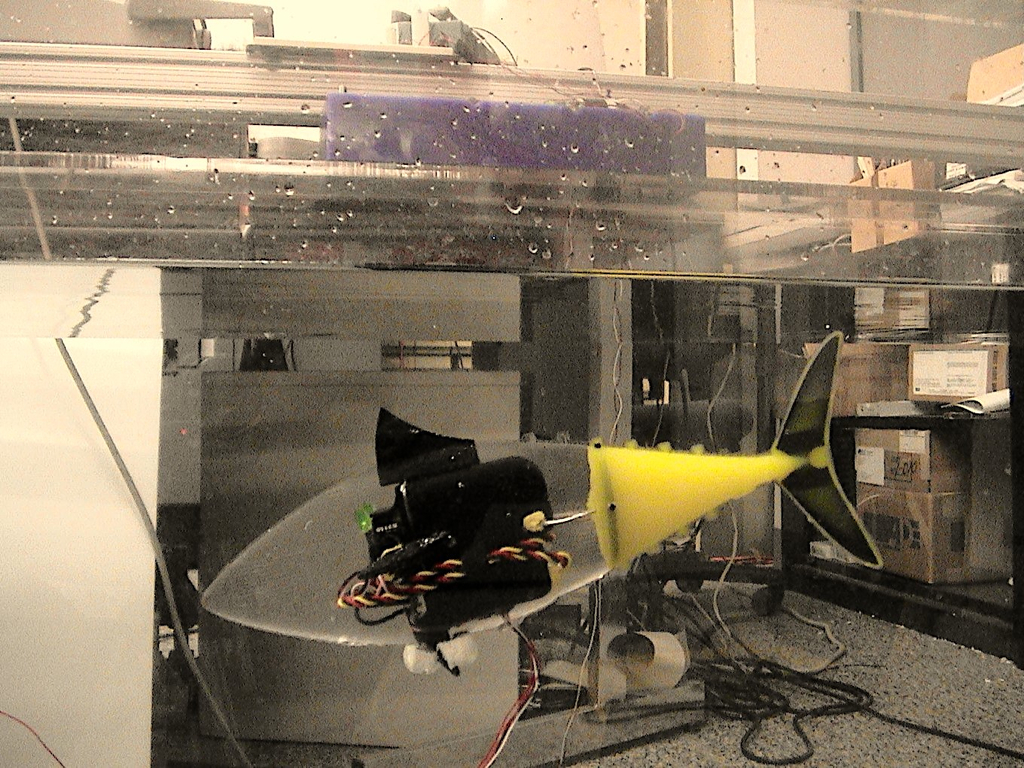
Bio-Inspired Design:
Soft robotics takes inspiration from
nature, particularly from soft-bodied organisms like octopuses and worms. By
mimicking biological structures and movements, soft robots can achieve unique
functionalities that are not possible with traditional rigid robots.
Applications of Soft Robotics
Soft robotics has a wide range of applications across
various industries. Here are some notable examples:
Healthcare and Rehabilitation
Soft robots can be used in healthcare settings for tasks
such as surgical assistance, rehabilitation, and prosthetics. Their compliant
nature allows for safe and gentle interaction with patients, reducing the risk
of injury.
Exploration and Search-and-Rescue
Soft robots are well-suited for exploring challenging and
hazardous environments, such as disaster zones or underwater habitats. Their
ability to deform and navigate complex terrain makes them valuable for
search-and-rescue missions.
Human-Robot Collaboration
Soft robots can work alongside humans in collaborative
tasks, such as assembly lines or manufacturing processes. Their compliance and
versatility enable seamless cooperation and interaction with human workers.
Assistive Robotics
Soft robots have the potential to assist individuals with
disabilities or limited mobility. They can be used to develop wearable devices
or exoskeletons that enhance mobility and provide support for daily activities.


0 Comments